ROOFING SYSTEMS
EPDM roofing systems
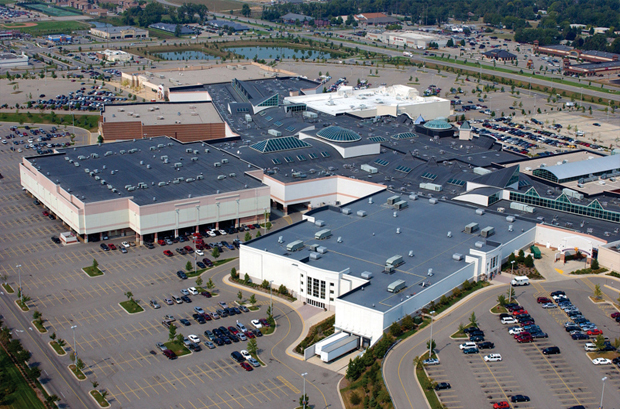
Durability, design versatility, and ease of installation make ethylene propylene diene monomer (EPDM) one of the most popular materials for new and re-roof low-slope applications. The system creates a single layer of rubberized roofing that resists UV and lasts. EPDM is much lighter than tar and gravel, and rigid insulation is recommended underneath.
Modified bitumen roofing systems
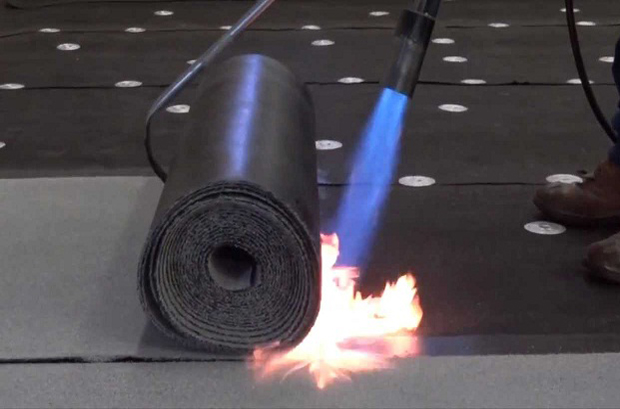
Modified bitumen gives designers and installers a broader selection of options than built-up. It can be torch-applied or installed with cold-process adhesives. Benefits include strong performance, excellent waterproofing, a competitive life cycle, and long-term warranties.
Metal roofing systems
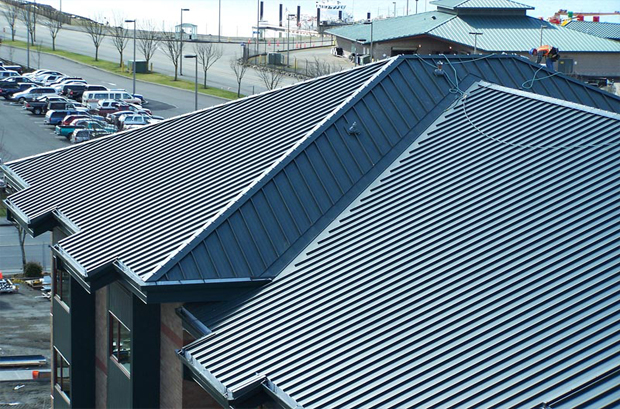
Metal roofing systems are built from metal panels or tiles that form part of the building envelope. They are lightweight and durable, which makes them long lasting and easy to install. Metal is also energy efficient and resistant to fire and sparks.
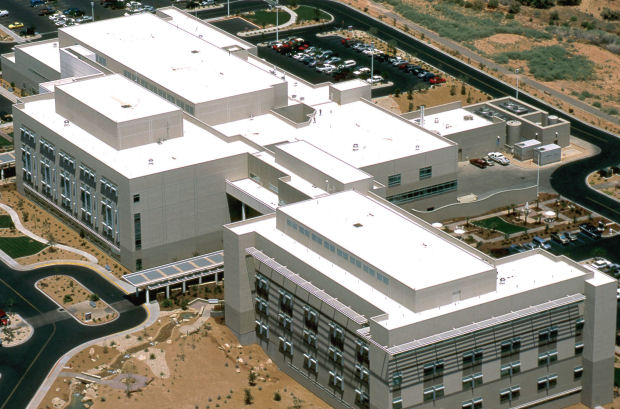
PVC roofing systems
PVC is a single-ply membrane made of polyvinyl chloride. The seams are hot-air welded so water cannot pass through, which makes it a strong choice where ponding water is a problem. PVC membranes are reflective and can reflect up to 90% of the sun’s heat, helping reduce energy costs.
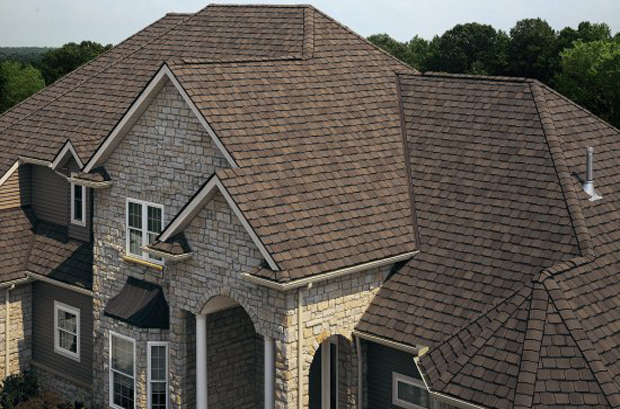
Shingle roofing systems
Shingle roofing is the most widely used system today. Asphalt shingles cover steep-slope roofs and remain a cost-effective, long-lasting solution.
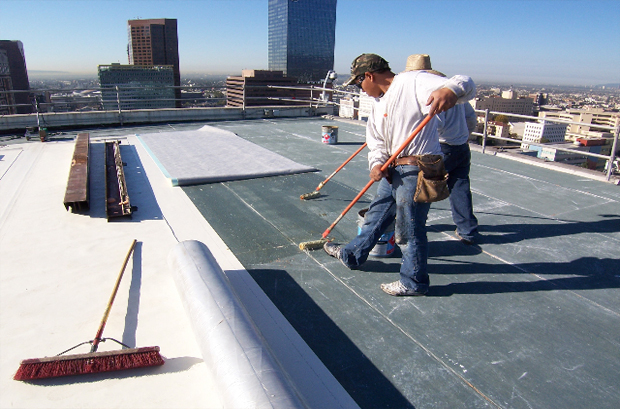
TPO roofing systems
Demand keeps growing for heat-reflective, energy-efficient roofing. Thermoplastic polyolefin (TPO) single-ply membranes resist ultraviolet light, ozone, and chemical exposure, and their welded seams hold up well on low-slope commercial roofs.