
ROOFING SYSTEMS
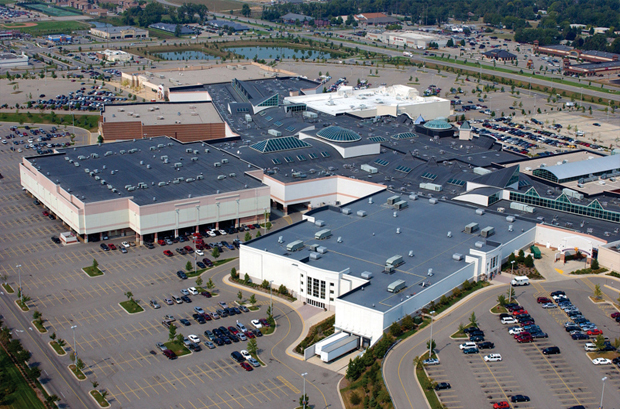
E.P.D.M Roofing Systems
Durability, design versatility and installation ease are among the many reasons ethylene propylene diene monomer (EPDM) is the most popular material for both new and reroof low-slope roofing applications. This system creates a single layer of rubberized roof that is UV resistant and built to last long. EPDM roofing systems are much lighter than tar and gravel roofs so note that that a rigid insulation is recommended for this type of roof.
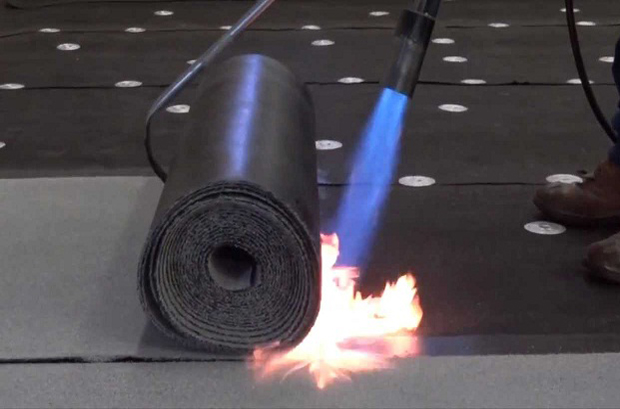
Modified Roofing Systems
Modified gives designers and installers a broader selection of options than built-up. The modified method may be installed using torch-application or applied with “cold-process†adhesives. Some of the benefits of modified include superior preformance, great waterproofing, a competitive life cycle, and long term warranties.
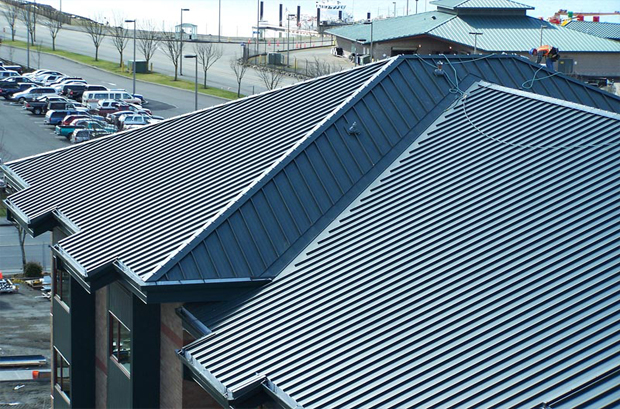
Metal Roofing Systems
Metal Roofing systems are made from metal pieces or tiles that are components of the building envelope. These systems are lightweight and durable therefore allowing it to be both portable and long lasting. Metal roofing is also a great way to be efficient for energy whle providing a fire and spark resistant solution.
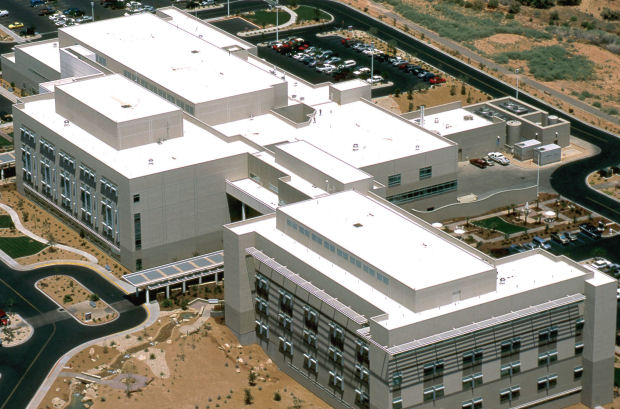
PVC Roofing Systems
PVC is a roof membrane comprised a single layer of the material polyvinyl chloride. These roofs are specially designed to combat the problem of ponding water and is welded together with hot air so moisture can not pass through. PVC roofing systems are reflective so they are able to reflect 90% of heat radiated by the sun helping to reduce energy costs
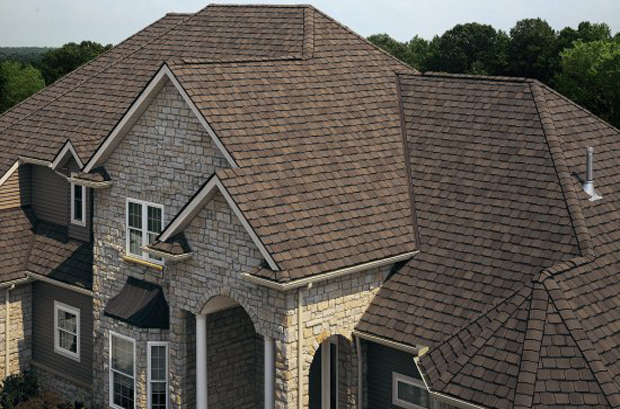
Shingle Roofing Systems
Single roofing systems are the most popular system used today. Shingles are used to cover the steep slopes in roofs with asphalt shingles which provides a cost effective solution.
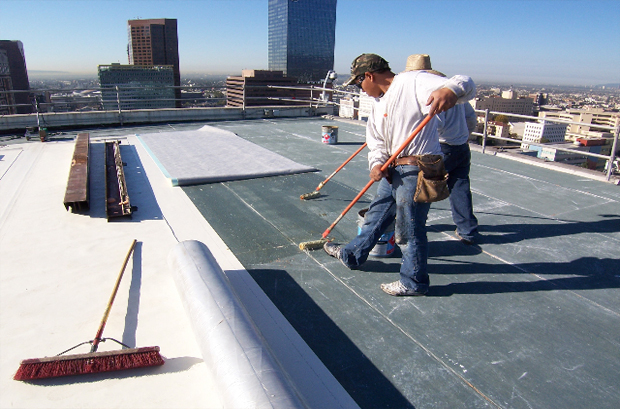
TPO Roofing Systems
Thermoplastic single-ply roofing membranes are among the fastest growing commercial roofing products and have gained broad industry acceptance for their many performance and installation advantages. As demand increases for heat-reflective and energy efficient roofing systems, thermoplastic polyolefin (TPO) single-ply roofing membranes continue to provide exceptional resistance to ultraviolet, ozone and chemical exposure